Frühlingsrabtatt -> 10% Rabatt! Code: "SPRING"

Why Phantom Wallet Is the Best Solana Browser Extension — and How to Get It Right

Okay, so check this out—I’ve been poking around Solana wallets for years. Seriously, it’s been a whirlwind of tiny updates, UX wins, and the occasional security scare that made me close the tab and sigh. My instinct said: find a wallet that feels like a browser-native tool, not a clunky app shoehorned into your workflow.
Whoa! Phantom landed on that instinct. It’s clean, fast, and honestly feels native in Chrome or other Chromium-based browsers. At first I thought „it’s just another wallet,“ but then I started using it daily for NFTs and DeFi and it stuck. Something felt off about older extensions — they were slow, awkward permissions, weird flows. Phantom didn’t do that. Hmm… I liked the permission prompts. They’re simple. They ask for what matters and not a laundry list of scary access.
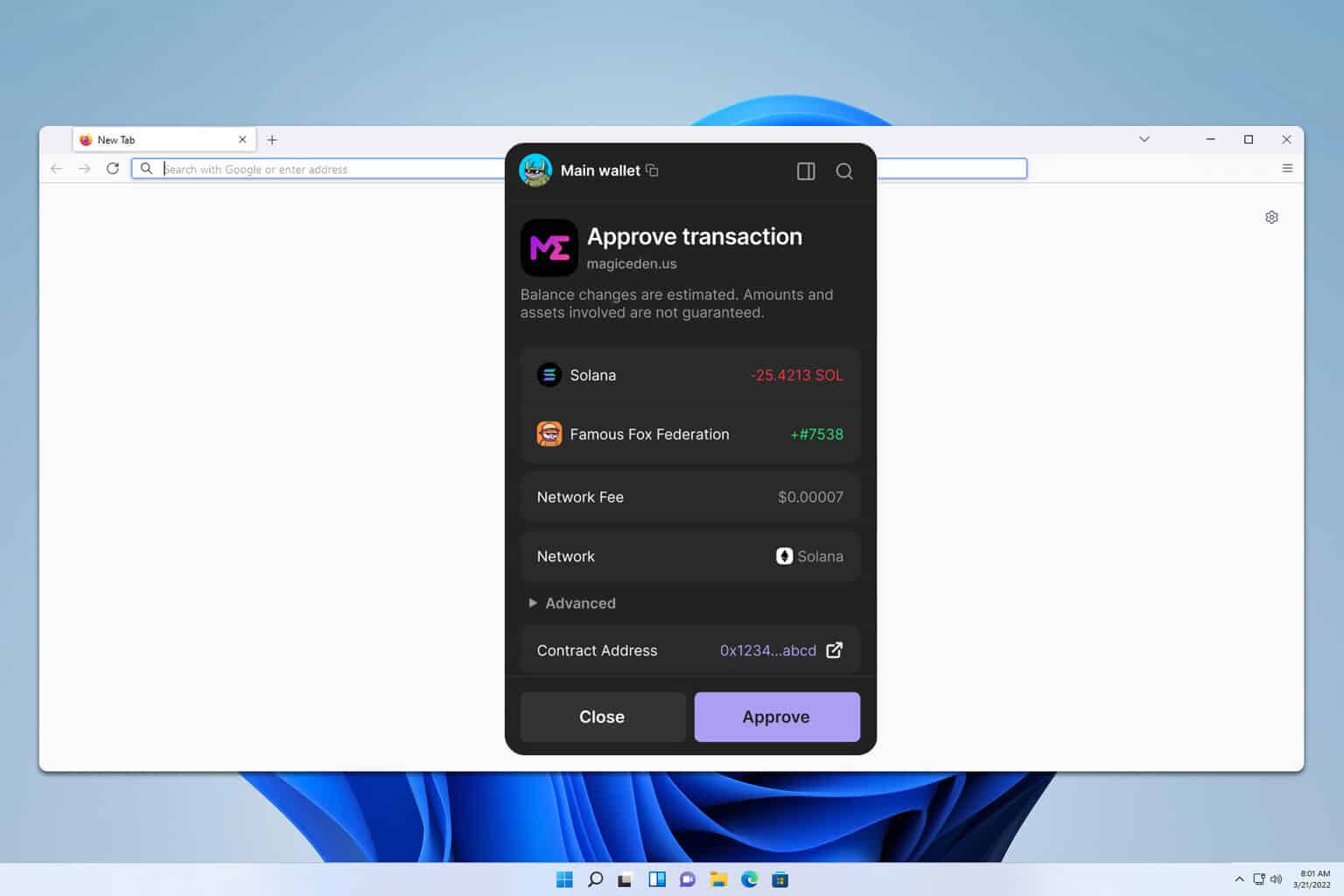
Here’s the thing. Extensions live in the small space between your browsing and your money. If the UX is slightly off, you’ll fumble a transaction. If the permissions are too broad, you’ll worry. Phantom strikes a balance: quick approvals, clear signing dialogs, and a clear account switcher when you juggle multiple wallets. I use it across tabs, on testnets, and on mainnet. It rarely misbehaves.
Why a browser extension matters for Solana users
Browser extensions are the fastest bridge between web dapps and your keys. That immediacy matters. When a DeFi UI wants a signature, you expect a small popup, not a full-blown app redirect. Phantom is designed for that micro-interaction pattern. On the one hand, mobile wallets cover on-the-go use; on the other hand, someone building on Solana usually tests in the desktop environment, loads dev tools, and expects frictionless switching. Phantom handles that gracefully.
Initially I thought you needed advanced features to justify using a desktop extension. But actually, wait—ease matters more. Speed matters more. For many tasks, a well-designed extension trumps feature bloat. Phantom nails the basics: send, receive, staking, NFT viewing, and simple token swaps. For most users, that’s ample. For power users, there are advanced settings tucked away, so it doesn’t feel overwhelming.
One little gripe: sometimes the network selector is a touch too subtle. (Oh, and by the way…) if you switch to devnet and forget, your balances look weird. Been there. Very very annoying. Still — overall reliability makes up for small annoyances.
How to install Phantom safely
Be cautious. Seriously? Yep. Scammers love to clone popular wallet pages. My rule: use a trusted source. If you want a quick route, the official extension can be found via the standard stores — but if you prefer a direct link that I trust, here’s the place I point people to when they ask about the phantom wallet.
Step-by-step: first, verify the extension publisher name in the store. Then, check the reviews and the install count. Next, install and pin the extension so it’s visible in your toolbar — that’s one extra safeguard against spoofing tabs. Finally, create a new wallet or import with a seed phrase. Write the phrase down, lock it in your head-space, hide it like you would a spare house key. No cloud notes. No screenshots. No exceptions.
Ah — and one more tip: after setup, send a tiny test transaction first. A small amount, a couple decimals. It confirms your flow and calms your nerves. I’m biased, but routine testing is a habit that saved me from a couple of dumb slip-ups.
Features that actually matter
Phantom focuses on real-world features you use. Token swaps inside the extension are fast. NFT support is visual and convenient — you can preview collections without hunting for a separate app. Network switching, account management, and connection approval dialogs are clear. For devs, the wallet exposes web3 provider hooks that make integration painless.
On the security side, Phantom uses local key storage with good UX around backups. That said, nothing’s perfect. If you’re handling large sums, hardware wallet integration is wise. Phantom supports Ledger, which is a big plus. Use the Ledger for the vault and Phantom for day-to-day interactions — that combination feels right for many folks I know.
Also: phantom’s UI is snappy. Little animations help you understand state changes. It’s small but it matters. I know that sounds superficial, but when you’re approving dozens of tiny transactions, micro-feedback prevents mistakes.
Common pitfalls and how to avoid them
There are a few recurring mistakes I see. First: approving weird permissions. If a dapp asks to „connect“ and suddenly requests account access and contract approvals in one go, pause. On the second hand, many dapps legitimately need access. Context matters. If you don’t recognize the site, close it.
Another issue: too many extensions. Browser extension conflicts can be subtle. I’ve seen wallets interfere with one another. My fix: only enable extensions you use regularly. Keep testing environments isolated when working with devnets. Use separate browser profiles for personal and development work — that’s a habit I’ve adopted and it saved me from several cross-account mistakes.
And yes, seed phrase hygiene. I keep a physical copy of mine in a secure place. Not bragging — just practical. If you’re lazy about backups, you’ll regret it someday. It’s not dramatic; it’s just true.
FAQ
Is Phantom free and open-source?
The extension itself is free to use. Phantom has published a lot of its code and documentation publicly, which helps with auditability. Still, always check the repository and official channels for the most current information.
Can I use Phantom with hardware wallets?
Yes. Phantom supports Ledger devices for signing, which is great if you want added security. Pairing takes a few extra steps but it’s straightforward, and worth it for large balances.
What if I lose my seed phrase?
If you lose it and have no backup, recovery is effectively impossible. That’s by design. Wallets like Phantom cannot restore your keys without the phrase. So back it up. Seriously, do it now.