Frühlingsrabtatt -> 10% Rabatt! Code: "SPRING"

Why I Keep Going Back to the Solana Explorer — A Real User’s Take

Wow! I clicked around a lot this week. The Solana chain moves fast and you need tools that keep up. My instinct said trust but verify, and honestly that led me back to a few familiar explorers. Here’s the thing: some of them feel clunky, somethin‘ like they were built ages ago.
Okay, so check this out—Seriously? The speed difference is obvious when you’re chasing a pending swap. Most explorers show basic tx info, but not all show token metadata cleanly. On one hand an explorer can be just a search bar; on the other hand good tooling surfaces context that saves time. Initially I thought raw data was enough, but then realized the right UX saves me minutes and headaches daily.
Whoa! I like quick filters. Filters matter when you audit wallets or track token flows. A clean token tracker helps you find noisy mints and suspicious patterns quicker than manual searches. My first impression was that visualizations were fluff, though actually the charts often reveal timing patterns you would otherwise miss.
Hmm… The best explorers marry speed with clarity. Real users (devs, traders, auditors) want both numbers and a story. Sometimes the story is subtle and you need transaction graphs or token holder breakdowns to discover it. I’m biased toward tools that let me pivot fast from an account to a contract to a token’s supply curve…
Wow! Something bugged me at first. The token pages sometimes lacked consistent images or metadata. That little gap made token recognition harder when scanning a long list. But when metadata is well-linked and cached, you start recognizing patterns faster and spot imposters. It feels a lot like debugging a frontend—you want the right cues without extra noise.
Whoa! The search speed surprised me. Results pop up almost instantly, which is a relief when you’re troubleshooting a dropped transaction. The UI gives you hashes, block times, and confirmations in one glance. And if you care about on-chain provenance, seeing token transfers inline is clutch. Seriously, that inline context has saved me from mislabeling a token transfer more than once.
Hmm… I dug deeper into token tracker features. Tracking holders and transfers over time is very very useful when assessing a token’s health. A token tracker that exposes major wallet movements helps you flag rug risks. My instinct said graphs are optional, but then a sudden holder concentration spike made me rethink that stance. Now I routinely check concentration and liquidity pool links before making a call.
Wow! The address pages are neat. They list SPL tokens and show recent activity without drowning you in raw logs. For dev work you sometimes need the raw logs, though, and a good explorer offers toggles for that. On the technical side, I appreciate when programs are cross-referenced with readable labels and verified source links, because it reduces the guesswork.
Seriously? I love a decent token mint history view. Seeing mint events, freeze authorities, and initial liquidity adds a lot of clarity. It helps when you want to trace a project’s token economics back to genesis. Initially I assumed token economics were documented, but often they are only clear once you follow on-chain breadcrumbs carefully.
Whoa! Check this out—I’ve bookmarked one explorer I use frequently. It gives me a quick glance into transaction latency and average fees across recent blocks. For people who run bots or manage wallets, that data is a practical necessity, not a luxury. I’m not 100% sure every on-chain metric is accurate in all contexts, but having the data accessible is the first step.
Hmm… The explorer I prefer ties everything together with useful UX patterns. You can jump from a transaction to a program’s known operations with one click. That flow (search → inspect → follow token → check holders) is surprisingly powerful when time is scarce. And yes, there are still edge cases where the explorer misses something, but it’s less often than with other tools.
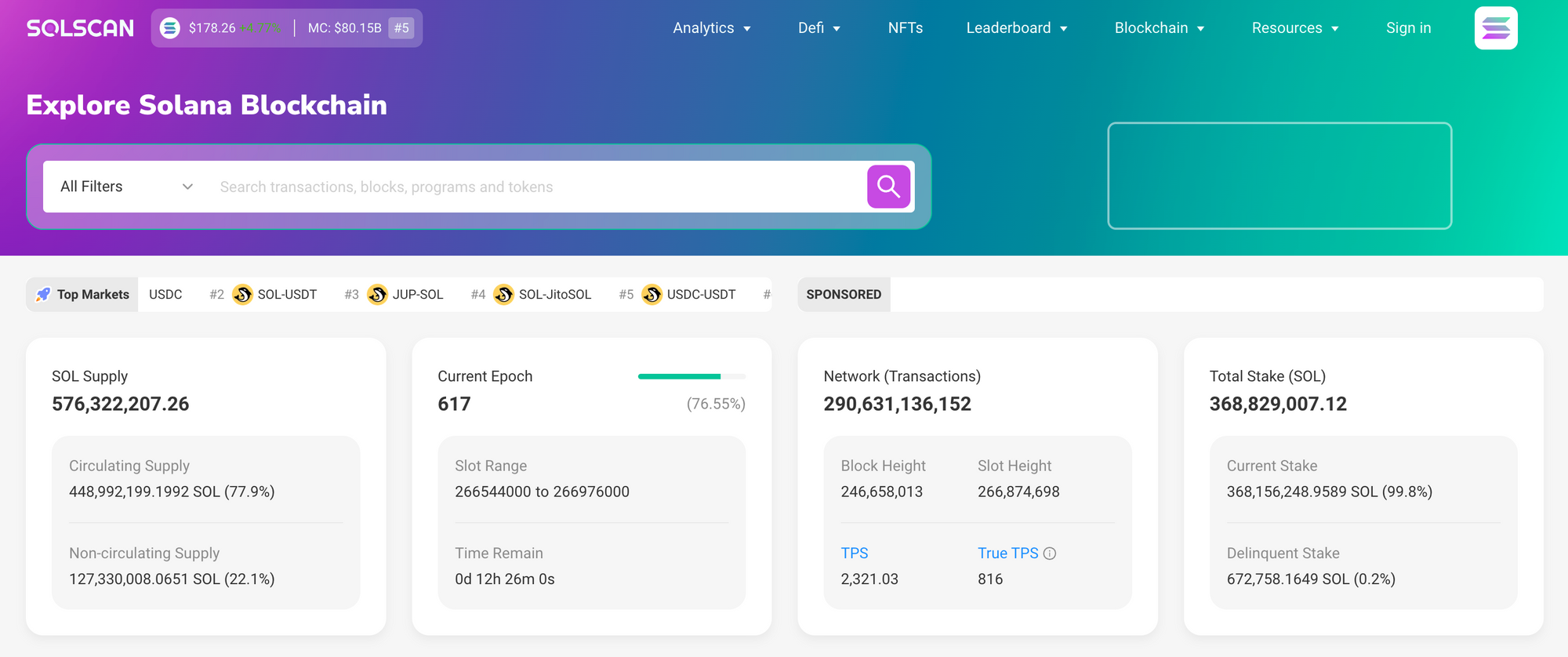
Wow! For anyone exploring Solana, the right landing page changes things. If you want to check a token or trace a wallet, quick navigation and sensible defaults speed up decisions. A native feel helps too; the interface should behave like an app you use every day, and this one mostly does. If you’re curious, try the explorer I keep recommending: solscan. It often gives me what I need fast.
Practical tips for using an on-chain token tracker
Wow! Start with a clean query. Narrow by block range and token address when possible. Use holder distribution insight to check centralization risks. If you see a few wallets holding most supply, that’s a red flag in my book. Also, check recent mint events because fresh inflation can dramatically change token economics.
Hmm… Don’t ignore the little metadata fields. Icons, project links, and verified status can save you from mistaking clones for originals. Sometimes a project will reuse a popular name but the token mint is different. On the other hand, a verified token with linked whitepaper isn’t a guarantee—so keep some skepticism. I’m biased, but a small manual audit beats blind trust.
Whoa! Use the explorer to set alerts for big transfers if you can. Watching for whales moving into or out of liquidity pools tells a story you won’t see in price charts alone. If you’re a liquidity provider, that intel matters. And if you’re a researcher, those moves help build a narrative about market sentiment.
Seriously? For builders: use the program traces and log output. They shine when debugging failing instructions or unexpected state changes. Logs often reveal internal program decisions that don’t show up in the token transfer list. Initially that felt like overkill, but during a recent integration it was exactly what we needed to pin down a race condition.
Wow! Community signals matter too. Links to Discords, GitHub, or audits on token pages give context. They won’t replace due diligence, but they enrich the on-chain signals. I look for patterns: repeated contract upgrades, missing audit links, or opaque minting policies. These are small cues that, when combined, tell a bigger story.
Frequently Asked Questions
How do I verify a token’s authenticity?
Check the mint address, token metadata, and any verification badges the explorer shows. Cross-reference with official project channels, and watch for token holder concentration or recent mints that could indicate a pump or rug. I’m not 100% sold on any single indicator, but together they form a reasonable picture.
Can I use the explorer to audit transactions for a wallet?
Yes—inspect the wallet’s transaction history, token transfers, and program interactions. Look for recurring patterns or interactions with known bridges or liquidity pools. For deeper forensic work, export the transaction list and correlate timestamps with external data sources (trades, announcements, etc.).
Is on-chain token data always reliable?
On-chain data is authoritative for what happened on-chain, but metadata and off-chain claims require human vetting. Some tokens mislabel themselves, and not all metadata is curated. That said, a solid explorer minimizes friction and surfaces the right facts so you can ask the right questions.