Frühlingsrabtatt -> 10% Rabatt! Code: "SPRING"

Why your browser wallet matters more than you think (and how to pick one)

Here’s the thing. I got into DeFi because it felt like standing on the edge of a new frontier, and then I tripped over account management. Wow—embarrassing, but true. My instinct said the wallet was just a keychain, until one afternoon when a tiny permission slip turned into a drained account. Initially I thought it was just user error, but then realized the tooling and UX push you into risky patterns that smart contracts happily exploit if you let them. On one hand the web3 promise is empowerment; on the other, browsers are full of hazards that make security a moving target.
Seriously? Yes. Browser extensions are great for convenience but they widen the attack surface. Here’s the thing: a good extension wallet isolates accounts and transaction signing better than most people expect. Medium-term risks often hide in permission creep, autoconnect habits, and sloppy network switching. Longer-term, if you treat connections like endless candy bowls you will get bitten—sometimes slowly, sometimes all at once, and that’s a pain to fix because blockchain finality means no rollbacks.
Whoa! I said „pain“ because recovering funds is nearly impossible after mis-signing. My first reactions were panic and blame. Then I paused, stepped through the transactions, and realized that understanding the flow of approval and allowance is the real defense here. On a practical level this means using a wallet that surfaces granular controls for each token and that warns you before you give away unlimited allowances. And yes, some wallets still don’t do that well…
Here’s the thing. Multi-chain wallets are tempting because they let you hop across Ethereum, BSC, Optimism, and others with a single UI. That’s convenient, though it also mixes ecosystems in a way that makes mistakes easier. At first I loved being able to see every balance at once, but later I found it chaotic when I needed to troubleshoot a bridging issue. Actually, wait—let me rephrase that: seeing everything is useful, but only if the wallet helps you understand where each asset lives and which RPC it used to get there.
Hmm… you want specifics. Okay: pick a wallet that treats approvals explicitly and that separates dApps by origin and network, not by convenience shortcuts. That approach forces you to think—briefly—before signing. My gut told me to undervalue UX, yet the wrong UX taught me to approve mechanically. On one hand that made me faster; on the other, it made me careless. So I changed habits and tools.
Practical security behaviors that actually help
Here’s the thing. Shortcuts cost you in blockchain land. Really. Make it a habit to check the origin of a signature request before you approve it. The browser shows an origin string; use it. If the origin looks weird or the dApp is unfamiliar, pause—close the tab, research the project, and come back later. My instinct said sometimes to believe the UI, but then I learned to distrust anything that asks for unlimited allowances up front. Also, consider wallets that let you set per-transaction gas limits and approval caps instead of the default infinite allowances that make token theft effortless.
Wow! Use hardware wallets for big holdings. Seriously? Yes—especially for long-term positions. A hardware device adds a physical consent layer that phishing sites can’t easily bypass. I’m biased, but for large amounts it’s the simplest risk reduction that actually works. That said, the convenience of extension wallets means many people keep active funds in them, and so the extension design matters a lot.
Here’s the thing. When choosing an extension wallet, look for these features: clear allowance management, visible RPC and chain indicators, permission revocation tools, transaction previews with readable calldata, and a recovery flow that protects against seed leaks. Initially I thought fancy features were just for power users, but then I realized those features make mistakes recoverable or at least preventable. On the flip side, a slick UI without guardrails is just a prettier trap.
Hmm… an odd but important point: cultural defaults matter. In the US the „fast and convenient“ norm pushes people to accept prompts quickly. That cultural nudge can be countered by a wallet that intentionally slows down risky actions—friction for safety, not for annoyance. My working rule became: if the UI doesn’t make me stop for a second during a dangerous operation, it’s probably not protecting me.
Okay, so checklists help. Before approving any unusual signature ask: who benefits, what access is being granted, is this an unlimited allowance, and is the recipient contract audited or at least community-vetted? These questions sound obvious, but they cut through a lot of social engineering. Also do periodic reviews—revoke allowances you no longer need. You can be lazy about this, or you can be annoyed now and safe later.
Why multi-chain support is useful—and risky
Here’s the thing. Multi-chain wallets are a double-edged sword. They let you see assets across networks in one place, which simplifies portfolio management and reduces the number of apps you must trust. On the other hand, they tend to normalize network switching, and that normalization can make you sign transactions on the wrong chain by mistake. My first impression was pure delight; later I noticed cross-chain confusions in my activity log. Initially I thought the wallet should auto-handle mappings, but then I realized that transparent user prompts are better than magic fixes that hide errors.
Seriously? Yep. If you bridge funds, always confirm the destination chain and the bridge contract address shown in the transaction preview. If the wallet shows both source and destination details clearly, it’s doing its job. If not, you’re on your own. Also, bridges add counterparty and smart contract risks—so limit exposure and split transfers when possible.
Here’s the thing. Some extension wallets make it easy to add custom RPCs, which is great for advanced users. However, custom RPCs can be spoofed by malicious nodes that serve deceptive transaction data. Always verify the RPC provider and avoid entering private keys or seed phrases anywhere outside your vault. My instinct says „this won’t happen to me,“ and then I hear from a friend who lost funds to a bad node. So yeah—trust but verify, and if somethin‘ feels off, step away.
On one hand good wallets provide clear chain labels and color cues; on the other they can’t protect you from every social engineering attempt. So train yourself: double-check the contract address, use block explorers, and cross-reference suspicious activities on social channels or project forums. This is tedious, but it’s the reality—blockchain is permissionless, which means responsibility shifts to the user.
I’ll be honest—I prefer wallets that make revocations easy. If you see a dApp with an unlimited spend allowance, revoke it immediately, then reapprove with a capped amount if needed. It’s not glamorous. It’s effective.
Where Rabby Wallet fits in my workflow
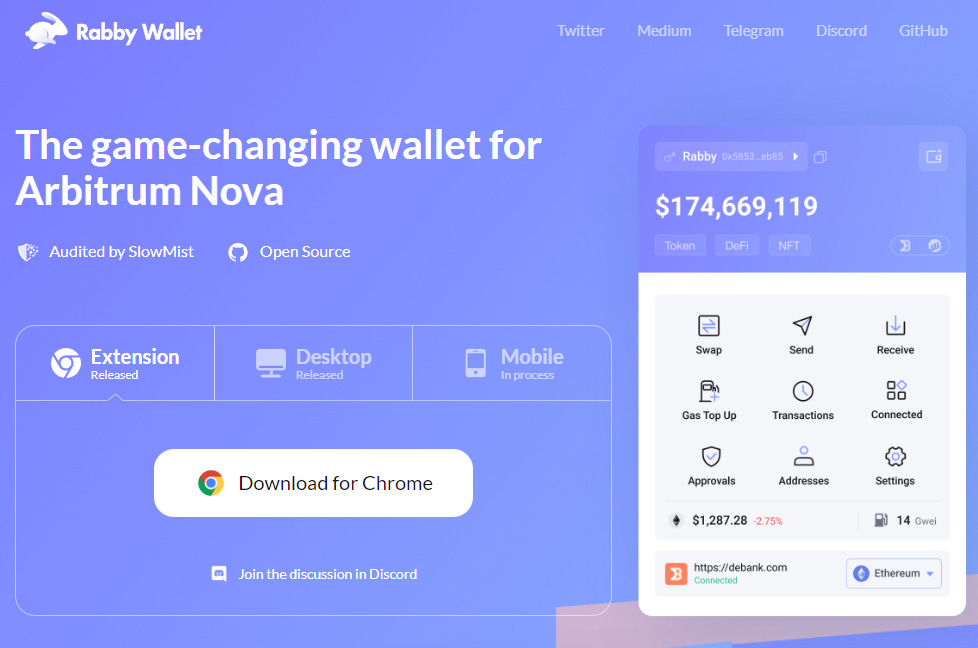
Okay, so check this out—after trying several browser extensions I found a few that balanced safeguards and convenience well. One of them stood out for nuanced allowance controls and clear per-origin dApp controls, and that pushed me to recommend it when people asked me for a pragmatic starting point. If you want to try it yourself, consider a quick rabby wallet download as part of your testing checklist. I used it for a week on a burner account, poked at its settings, and liked how it forced decisions at the right times.
Seriously, take the time to test any wallet on a small balance first. My rule of thumb: treat wallets like new appliances—install, test, then migrate. That way you learn the way it surfaces warnings and how it handles chain quirks without risking capital. Also, try the recovery phrase import/export in a sandbox environment (not your main seed!) to make sure you understand the process—it’s the single most important procedure for disaster recovery.
Here’s the thing. No wallet is perfect. I found a few UX rough spots while testing, and I filed feedback. Some behavior was surprising, and their team iterated. On one project I noticed a fix that reduced phishing risk in the next release, which shows that active development matters. I’m biased toward tools with engaged developers and transparent changelogs because timeliness of fixes equals less exposure for users.
FAQ
How do I prevent unlimited token approvals?
Don’t accept unlimited approvals by default. Use wallets that show you the approval amount and let you set a maximum or a single-use allowance. If your wallet doesn’t show that, revoke the allowance via on-chain tools or a trusted dashboard and reapprove with a cap. Also check allowances periodically, because very very few people do this until it’s too late…
Is a hardware wallet overkill for casual DeFi use?
Not necessarily, though it depends on your exposure. A hardware wallet for larger balances is worth it; for tiny amounts you might be fine with a well-configured extension. My take: use a hardware device for positions you can’t afford to lose and keep a separate extension for small, speculative trades. That separation reduces blast radius when things go wrong.
What should I check before interacting with a dApp?
Check origin, contract address, required approvals, and network. If anything looks unfamiliar, close the page and research it. On one hand speed wins trades sometimes; on the other, a rushed approval can empty your wallet. I learned that balance the hard way—so trust your pause.